


When Is the Right Time to Start Colorectal Cancer Screening?
Colorectal cancer is one of the most commonly diagnosed cancers in Singapore, yet screening is recommended even when you feel well and have no bowel symptoms. This is because colorectal cancer can develop gradually, sometimes from precancerous polyps that may not cause noticeable symptoms in their early stages.
So when should screening actually begin? The answer depends on more than age alone. Your family history, personal medical history and other risk factors can influence when you should start and which screening approach may be appropriate. Understanding these factors can help you determine when it may be time to discuss colorectal cancer screening with your doctor.
When Should Colorectal Cancer Screening Begin?
For people at average risk, routine colorectal cancer screening generally begins at age 50 in Singapore. Screening is recommended even if you feel well and do not have symptoms, as early colorectal cancer and precancerous polyps may not cause noticeable changes.
The appropriate screening method may depend on your age, risk factors, medical history and previous screening results. Common approaches include:
- Faecal Immunochemical Test (FIT): A stool-based test that checks for small amounts of blood that may not be visible. For average-risk individuals, FIT is commonly performed regularly as a screening test.
- Colonoscopy: A procedure that examines the entire colon and rectum and allows suitable polyps to be removed during the same procedure. It may be recommended based on your risk or following an abnormal screening result.
Other tests may be considered in certain circumstances. Your doctor can advise which screening approach and interval are appropriate for you.
Importantly, the recommended screening age applies to people who do not have symptoms. If you develop symptoms such as blood in the stool, persistent changes in bowel habits, unexplained weight loss or ongoing abdominal discomfort, medical assessment may be needed regardless of your age.
Who May Need to Start Colorectal Cancer Screening Earlier?
While age 50 is a general starting point for people at average risk, not everyone should wait until then. Some people have a higher risk of developing colorectal cancer and may be advised to begin screening earlier or undergo screening more frequently.
Factors that may affect when screening begins include:
Family History of Colorectal Cancer
Having a close relative, particularly a parent, sibling or child, who has had colorectal cancer or certain colorectal polyps may increase your risk. The age at which your relative was diagnosed can also influence when screening is recommended.
Previous Polyps or Colorectal Cancer
If you have previously had certain types of polyps or colorectal cancer, your doctor may recommend ongoing surveillance rather than following the routine screening schedule for average-risk individuals.
Inherited Conditions
Conditions such as Lynch syndrome and familial adenomatous polyposis (FAP) can substantially increase colorectal cancer risk and generally require earlier and more intensive surveillance.
Inflammatory Bowel Disease
Long-standing ulcerative colitis or Crohn's disease affecting the colon may increase colorectal cancer risk, particularly when a large portion of the colon is involved.
There is therefore no single starting age that applies to everyone. If you have a personal or family history that may increase your risk, discussing it with your doctor can help determine when screening should begin and how often it may be needed.
What Happens Once You Are Due for Colorectal Cancer Screening?
Being due for colorectal cancer screening does not necessarily mean you need a colonoscopy immediately. The next step depends on your individual risk and the screening method considered appropriate for you.
For people at average risk, screening may begin with a non-invasive test such as FIT. If the result is positive, a colonoscopy is generally recommended to investigate the source of the detected blood and examine the colon and rectum more closely.
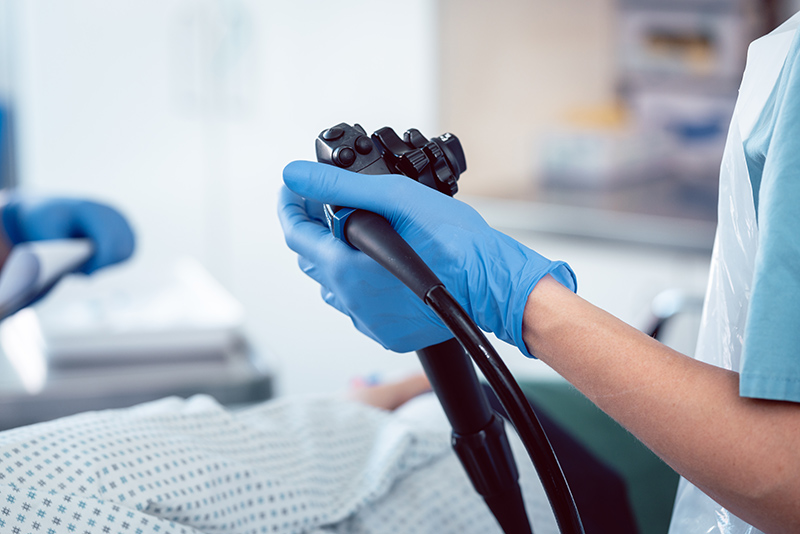
A colonoscopy may also be recommended as the initial screening method for some people, particularly when their medical or family history places them at higher risk. During the procedure, the doctor can examine the lining of the colon and rectum, take tissue samples if necessary and remove suitable polyps for further assessment.
Screening is also not a one-time decision. Depending on the test used and what is found, you may be advised to repeat screening at a recommended interval or undergo further surveillance.
If you are approaching the recommended screening age or are unsure whether your risk factors mean you should start earlier, speak to your doctor about when to begin. The appropriate timing and screening method can then be determined based on your individual risk and medical history.
Plan Your Colorectal Cancer Screening With Dr Kam Ming Hian
Knowing when to start colorectal cancer screening can help you plan ahead rather than wait for symptoms to appear. If you are approaching the recommended screening age or have factors that may increase your risk, a consultation can help determine when and how you should be screened.
At Kam Colorectal Centre, our team provides colorectal screening and assessment based on each patient's individual needs, including colonoscopy when clinically appropriate. Our colorectal care is led by Dr Kam Ming Hian, a senior consultant colorectal surgeon who performs colonoscopy as part of colorectal screening and assessment. To discuss when you should begin colorectal cancer screening or whether a colonoscopy may be appropriate, arrange a consultation.
Frequently Asked Questions (FAQs) About Colorectal Cancer Screening
Can I start colorectal cancer screening before age 50? +
Yes. Screening may be recommended before age 50 if you have a higher risk of colorectal cancer, such as a relevant family history, certain inherited conditions or inflammatory bowel disease. Your doctor can assess your risk factors and advise when screening should begin.
Does the timing of colorectal cancer screening change as I get older? +
It can. Screening recommendations may become more individualised with age, taking into account your overall health, previous screening history and whether further investigation or treatment would be appropriate if an abnormality were found. Your doctor can advise whether continued screening is suitable and how often it may be needed.
Do I need colorectal cancer screening if I have no symptoms? +
Yes. Routine colorectal cancer screening is intended for people without symptoms and can help detect precancerous changes or cancer at an earlier stage. If you develop symptoms such as blood in the stool or persistent changes in bowel habits, seek medical assessment rather than wait for your next routine screening.
Meet Our Colorectal Specialist in Singapore
Dr Kam Ming Hian
Senior Consultant Colorectal Surgeon
MBBS (Singapore), M.Med (Surgery), FRCSEd, FAMS
Dr Kam Ming Hian is a Senior Consultant Colorectal Surgeon with more than two decades of clinical experience in the diagnosis and management of colorectal conditions, including colorectal cancer, polyps, haemorrhoids and other disorders affecting the colon and rectum. His practice focuses on providing thorough evaluation, evidence-based treatment and personalised care tailored to each patient's needs.
Dr Kam previously served as Director of Robotics and Minimally Invasive Surgery in the Department of Colorectal Surgery at Singapore General Hospital. He has a strong interest in minimally invasive colorectal procedures, including laparoscopic and robotic-assisted surgery, which aim to support safe and efficient recovery for patients.
In addition to performing colorectal surgery, Dr Kam has carried out thousands of endoscopic procedures such as colonoscopy and gastroscopy, supporting early detection and management of colorectal conditions.
![]()
20 Years of Colorectal Experience
![]()
Skilled in Minimally Invasive & Laparoscopic Techniques
![]()
Individualised & Cost Effective Treatment for Every Patient
![]()
Medisave and Insurance-Covered Treatment and Procedures

We are proud to provide patients with highly personalised and affordable colorectal treatments in Singapore. At Kam Colorectal Centre, we’ve got your colorectal health covered.
Call +65 6443 1005 or fill in the form below to book a detailed consultation with us.