
Colon Cancer Surgery in Singapore

What is Colon Cancer?
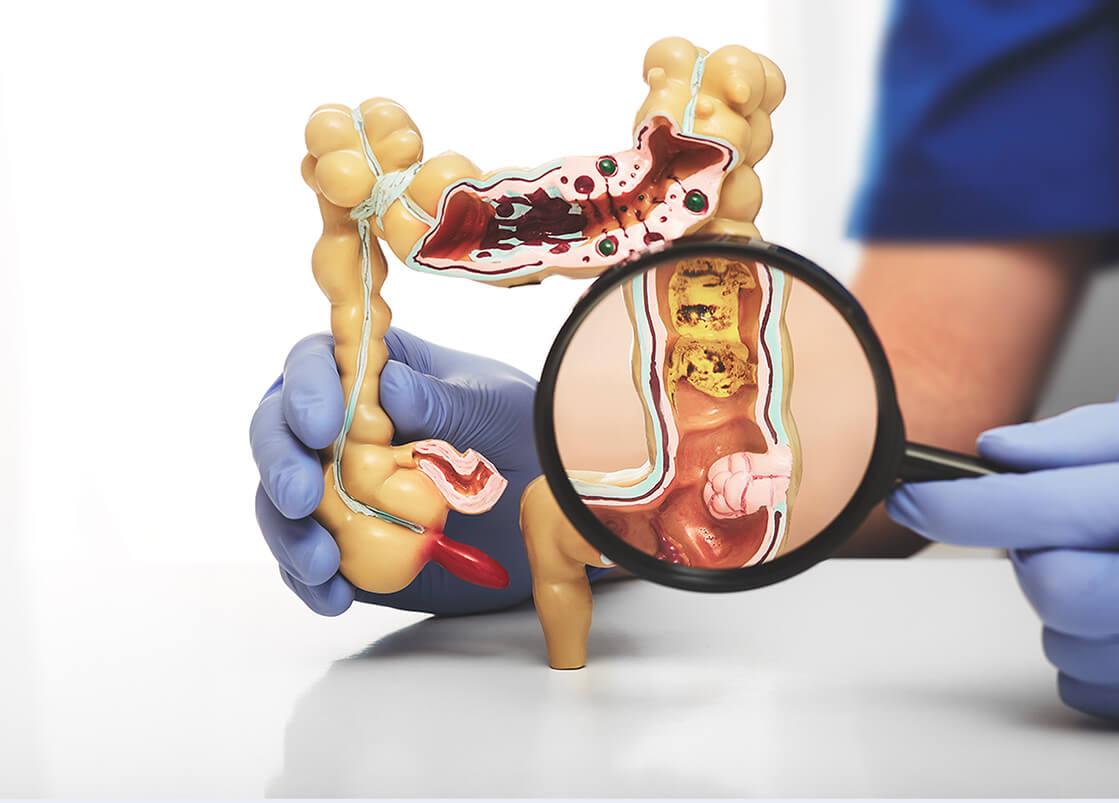
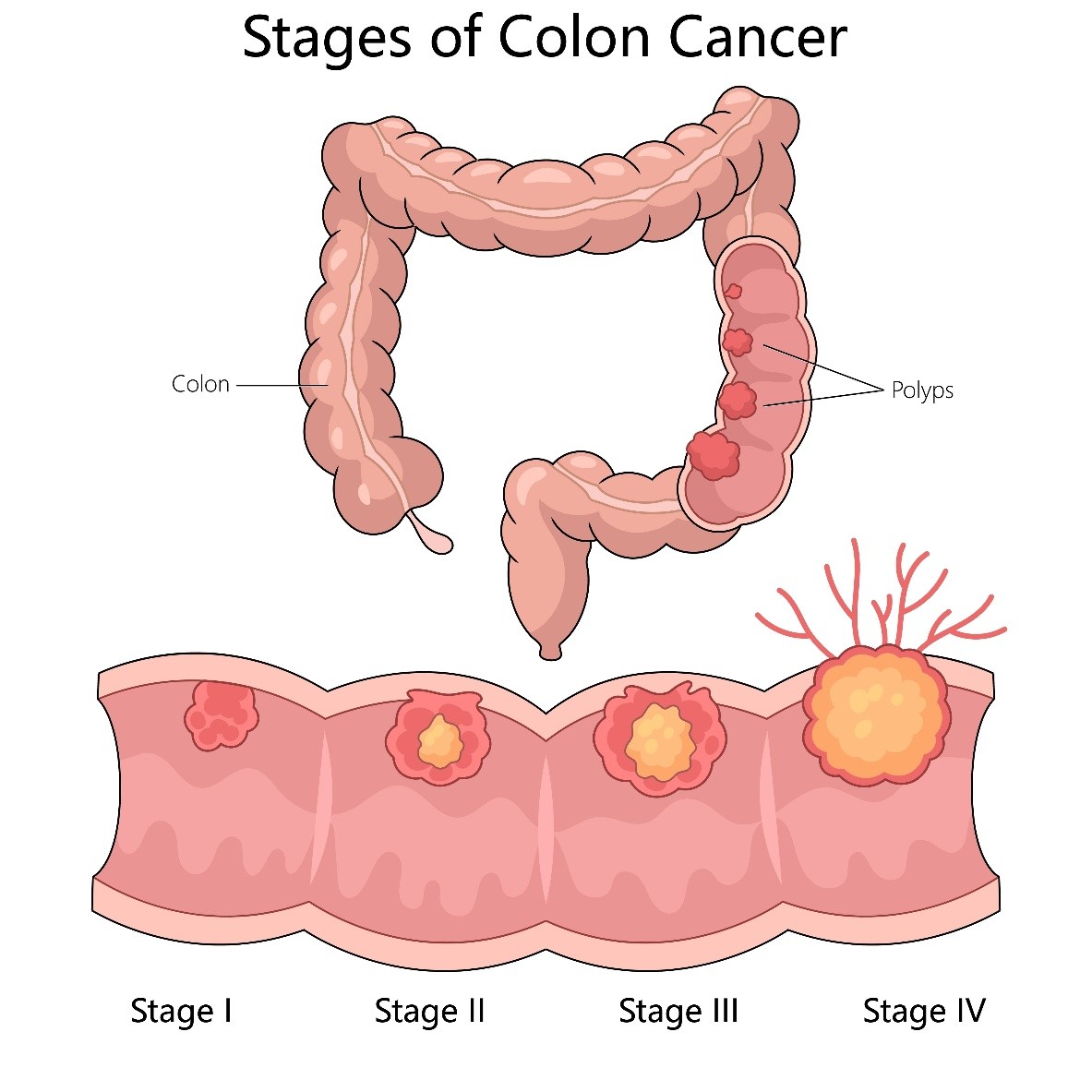
Colon cancer is a type of cancer that affects the colon, which is part of the large intestine. It often begins as benign growths known as polyps that form on the lining of the colon. Over time, some polyps may develop into cancer if left untreated.
You may also hear the term colorectal cancer, which refers to cancers that affect either the colon or rectum. Because these conditions share similar risk factors, symptoms and treatment approaches, they are often discussed together.
As colorectal cancer typically progresses slowly, screening plays an important role in detecting polyps and identifying abnormalities at an earlier stage.
What Are the Symptoms of Colon Cancer?
Most people with early-stage colon cancer do not experience obvious symptoms. As a result, the condition may only be detected through screening or investigations for unrelated concerns. When symptoms develop, they may include:
- Persistent changes in bowel habits, such as diarrhoea or constipation
- Changes in stool shape, size or frequency
- Blood or mucus in the stool
- Rectal bleeding
- A feeling that the bowel does not empty completely
- Persistent abdominal pain, cramping or bloating
- Unexplained weight loss
- Loss of appetite
- Fatigue or symptoms related to anaemia
Many of these symptoms can also occur with non-cancerous bowel conditions, including piles, diverticular disease and inflammatory bowel disease. If symptoms are persistent, worsening or unusual for you, it is advisable to seek medical assessment.
What Are The Risk Factors for Colon Cancer?
Common risk factors for colorectal cancer include:
Age
– The risk significantly increases with age, particularly after 50. Thus, it is recommended that average-risk individuals begin regular colorectal cancer screening at the age of 50.Personal and Family History
– Individuals with a personal history of colorectal cancer or other types of polyps, as well as those with a family history of colorectal cancer (parents, siblings, children), are at an increased risk of developing the disease.Inflammatory Conditions
– Individuals with inflammatory bowel diseases (IBD), like Crohn's disease and ulcerative colitis, have an increased colorectal cancer risk. Chronic inflammation damages the colon lining, increasing the risk of abnormal cell growth.Diet and Lifestyle
– A diet low in fibre and high in processed meat, a sedentary lifestyle, smoking and heavy alcohol consumption increases the risk of developing colorectal cancer.Hereditary Conditions
– Some inherited conditions, such as Lynch syndrome or familial adenomatous polyposis, may increase the risk of colorectal cancer and may require earlier or tailored screening.
How Can Colon Cancer Be Prevented?
Screening for colorectal cancer has been proven to save lives. In the United States and northern European countries, colorectal cancer mortality has been falling and this can be attributed to screening, early detection, and prevention by polyp removal before they turn cancerous.
In Singapore, regular colonoscopy screening is recommended for both average and high-risk individuals. General screening guidelines are as follows:
Average-risk Individuals
– This group includes asymptomatic individuals with no first-degree relatives with a history of colorectal cancer. For this group, colorectal cancer screening with colonoscopy is generally recommended to begin at age 50 and be performed every 5–10 years.High-risk Individuals
– Those who have multiple first-degree relatives with colorectal cancer or polyps should schedule regular colonoscopy starting at 40 years old or 10 years younger than the age of the youngest diagnosed individual in the family, whichever is earlier. The recommended frequency of screenings varies from annually to every five years, depending on individual risk factors.
In addition to regular screening, maintaining a healthy lifestyle can also significantly reduce the risk of developing colorectal cancer. This includes regular physical activity, maintaining a healthy weight, and consuming a balanced diet rich in fruits, vegetables, and whole grains while limiting red and processed meats.
How is Colon Cancer Diagnosed?
Diagnosing colon cancer typically involves several steps, from assessing your symptoms to confirming the diagnosis and determining the extent of the disease.
-
Medical History and Physical Examination
The diagnostic process usually begins with a discussion of your symptoms, medical history and any personal or family history of colorectal conditions. A physical examination may also be performed to assess your overall health and identify signs that require further investigation. -
Colonoscopy or Flexible Sigmoidoscopy
If colon cancer is suspected, your doctor may recommend a colonoscopy or flexible sigmoidoscopy to examine the inside of the bowel. A colonoscopy uses a flexible camera to examine the entire colon and rectum, while a flexible sigmoidoscopy focuses on the lower part of the colon. These procedures allow the doctor to identify polyps, abnormal growths or other suspicious changes within the bowel. -
Biopsy
If an abnormal area is detected during the procedure, a small tissue sample may be removed and sent for laboratory analysis. This biopsy helps confirm whether cancer cells are present and provides important information about the type of tumour. -
Blood Tests
Blood tests may be performed to assess your general health, check for anaemia and evaluate organ function. These results can also help guide treatment planning and determine whether additional investigations are required. -
Imaging Tests
If colon cancer is confirmed or suspected, imaging studies such as CT scans or MRI scans may be recommended. These tests help determine the size and location of the tumour, assess whether the cancer has spread and support cancer staging.
What Are the Stages of Colon Cancer?
Colorectal cancer is categorised into stages (0–IV) to indicate its extent and severity:
Stage 0 (Carcinoma in situ)
– Precancerous cells are confined to the inner lining of the colon or rectum.Stage I
– Cancer has grown into the intestinal wall but has not spread to nearby lymph nodes or beyond the muscular layer.-
Stage II
– Cancer has penetrated deeper into the intestinal wall:- Stage IIA – Confined to the inner layers of the intestinal wall.
- Stage IIB – Spread through the wall but not to adjacent organs or tissues.
- Stage IIC – Spread through the wall or to nearby tissues/organs.
-
Stage III
– Cancer has spread to nearby lymph nodes:Stage IIIA
– Spread to 1–3 lymph nodes or to adjacent tissues.Stage IIIB
– Spread to 1–3 lymph nodes or to 4 or more lymph nodes with less deep invasion.Stage IIIC
– Spread to 4–6 lymph nodes or to the lining of the abdomen.
-
Stage IV (Metastatic)
– Cancer has spread to distant organs (e.g., liver, lungs):Stage IVA
– Spread to one distant organ or distant lymph nodes.Stage IVB
– Spread to multiple distant organs or lymph nodes.Stage IVC
– Spread to distant organs, lymph nodes, and abdominal tissues.
Colorectal cancer staging can be complex, but it is a crucial step in developing a personalised treatment plan to achieve the best possible outcomes. For a clearer understanding on cancer staging, please consult with your doctor.
How Is Colon Cancer Treated?
Treatment depends on the location of the cancer, its stage and your overall health. A personalised treatment plan will be developed based on these factors.
-
Surgery
Surgery is the main treatment for many cases of colon cancer and offers the best chance of cure when the disease is detected at an early stage. The aim is to remove the cancer along with a margin of healthy tissue and nearby lymph nodes where appropriate. -
Chemotherapy
Chemotherapy may be recommended before or after surgery depending on the stage of the cancer. It helps reduce the risk of recurrence and may also be used when cancer has spread beyond the colon. -
Radiotherapy
Radiotherapy is more commonly used for rectal cancer than colon cancer. In selected cases, it may be used before surgery to reduce tumour size or after treatment to lower the risk of recurrence. -
Follow-Up Care
Regular follow-up appointments remain an important part of care after treatment. These visits may include physical examinations, blood tests, imaging studies and surveillance colonoscopies to monitor recovery and detect any recurrence at an early stage.
When Should You See a Colon Cancer Doctor in Singapore?
You should consider seeing a colorectal specialist if you experience:
-
Persistent changes in bowel habits
-
Blood in the stool or rectal bleeding
-
Ongoing abdominal pain or bloating
-
Unexplained weight loss
-
Persistent fatigue or anaemia
-
A personal history of colon polyps
-
A family history of colorectal cancer
-
Concerns about colorectal cancer screening
Seeking medical attention early may help identify the cause of your symptoms and allow timely treatment where necessary.
What Does Colon Cancer Surgery Involve?
Colon cancer surgery aims to remove the cancer while preserving as much healthy bowel function as possible. Depending on the location and extent of the tumour, the surgeon may remove the affected section of the colon together with nearby lymph nodes for further examination.
Surgical planning takes into account factors such as the size and location of the tumour, cancer stage, your overall health and whether additional treatments such as chemotherapy may be required. Whenever appropriate, minimally invasive approaches such as laparoscopic or robotic-assisted surgery may be considered.
What Are the Types of Colon Cancer Surgery?
The type of colon cancer surgery recommended depends on the size, location and stage of the cancer, as well as your overall health and treatment goals.
-
Polypectomy or Local Removal
If cancer is detected at a very early stage and remains confined to a polyp, it may be possible to remove the abnormal tissue during a colonoscopy without the need for major surgery. -
Partial Colectomy
Also known as a colon resection, this procedure involves removing the section of the colon affected by cancer along with nearby lymph nodes. The healthy ends of the bowel are then usually reconnected. -
Total Colectomy
A total colectomy involves removing the entire colon. This procedure is less common and may be considered in selected cases, such as when cancer affects multiple areas of the colon or when certain hereditary conditions are present. -
Open Surgery
Open surgery is performed through a larger incision in the abdomen. It may be recommended in more complex cases or when a minimally invasive approach is not suitable. -
Laparoscopic Surgery
Laparoscopic surgery uses several small incisions and specialised instruments to remove the affected section of the colon. This minimally invasive approach may result in less postoperative discomfort and a shorter recovery period for suitable patients. -
Robotic-Assisted Surgery
Robotic-assisted surgery is an advanced minimally invasive technique that provides enhanced visualisation and instrument control. It may be considered for selected patients depending on the location and complexity of the tumour.
What to Expect Before and After Colon Cancer Surgery
-
Before Surgery
Before surgery, your doctor will review your medical history, imaging results and blood tests to determine the most appropriate treatment approach. You may also receive instructions regarding bowel preparation, fasting and medications. -
After Surgery
Recovery varies depending on the type of procedure performed and your overall health. Most patients will spend several days in hospital before continuing their recovery at home. It is common to experience temporary fatigue, abdominal discomfort and changes in bowel habits during the healing process. -
When to Seek Medical Attention
After surgery, contact your doctor promptly if you develop severe abdominal pain, persistent vomiting, fever, increasing redness or discharge from the wound, difficulty passing stools or gas, or any symptoms that concern you.
Choosing a Colon Cancer Surgeon in Singapore
Choosing a colon cancer doctor or surgeon involves more than selecting a clinic close to home. Some factors you may wish to consider include:
-
Relevant Clinical Experience
- Consider whether the doctor has experience managing colorectal conditions, performing colonoscopy procedures and treating colon cancer. -
Clear Communication
- A good consultation should help you understand your diagnosis, available treatment options and what to expect throughout your care journey. -
Access to Diagnostic Services
- Having access to investigations such as colonoscopy, biopsy and imaging studies can support timely diagnosis and treatment planning. -
Personalised Treatment Planning
- Treatment recommendations should take into account your symptoms, cancer stage, overall health and individual circumstances. -
Follow-Up and Care Coordination
- Ongoing follow-up is an important part of cancer care. You may wish to consider whether the clinic provides coordinated support before, during and after treatment. -
Accessibility and Convenience
- Practical considerations such as clinic location, appointment availability and hospital affiliations may also influence your decision.
Frequently Asked Questions (FAQs) About Colon Cancer
Can I get colon cancer before I turn 50?
Can colon cancer recur after treatment?
What other important information should individuals under 50 be aware of regarding colon cancer?
Is colon cancer fast or slow growing?
What is life like after colorectal cancer surgery?
Is colon cancer common in Singapore?
What does colon cancer pain feel like?
Is colon cancer treatable?
Seeking advice for colon cancer screening, diagnosis or treatment?
Whether you require screening, further investigation or treatment, Dr Kam Ming Hian can help guide you through your options.
Contact us at 6443 1005 to schedule a consultation today.

Meet Our Colon Cancer Doctor in Singapore
Dr. Kam Ming Hian
Dr Kam is a colorectal surgeon with over 20 years of experience treating colorectal conditions and performing diagnostic procedures such as colonoscopy and gastroscopy. As the former Director of Robotics & Minimally Invasive Surgery in the Department of Colorectal Surgery, SGH, Dr Kam has successfully treated many patients, and received multiple awards for service excellence during his career.
He is well-published in international journals and has also been invited to speak at various conferences. To date, colorectal surgeon, Dr Kam has performed thousands of gastroscopy and colonoscopy procedures, and conducted regular endoscopy training courses for the next generation of medical students.
![]()
20 Years of Colorectal Experience
![]()
Skilled in Minimally Invasive & Laparoscopic Techniques
![]()
Individualised & Cost Effective Treatment for Every Patient
![]()
Medisave and Insurance-Covered Treatment and Procedures

We are proud to provide patients with highly personalised and affordable colorectal treatments in Singapore. At Kam Colorectal Centre, we’ve got your colorectal health covered.
Call +65 6443 1005 or fill in the form below to book a detailed consultation with us.