

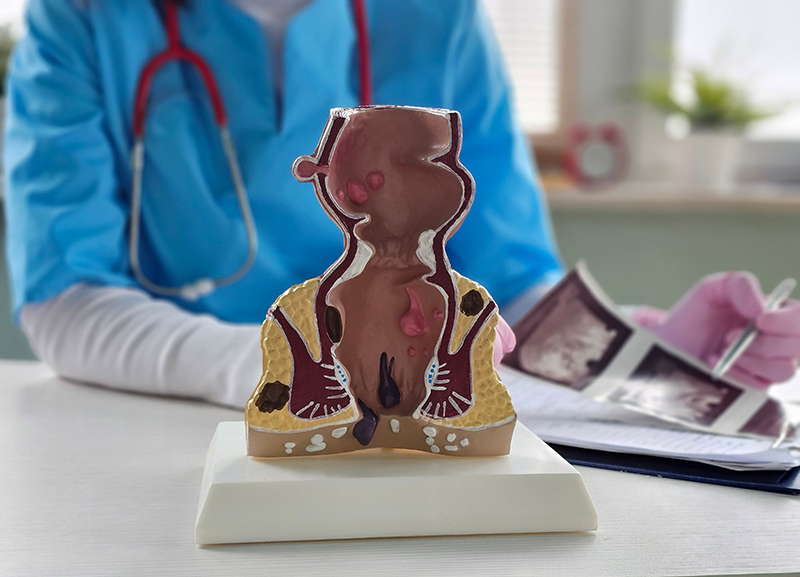
When Is Haemorrhoid Surgery Necessary?
Haemorrhoids, also known as piles, are a common condition that can cause discomfort, bleeding and difficulty with daily activities. In the early stages, many people are able to manage their symptoms with simple measures such as increasing fibre intake, staying well hydrated and avoiding prolonged straining during bowel movements.
However, there are times when these approaches are no longer enough. If symptoms become persistent, recurrent or begin affecting your quality of life, knowing when surgery may be appropriate can help you make an informed decision about your treatment.
Can Haemorrhoids Be Treated Without Surgery?
Many patients do not require surgery, particularly if their haemorrhoids are mild. Conservative treatment aims to reduce irritation, improve bowel habits and prevent symptoms from worsening. Your doctor may recommend:
- Eating a high-fibre diet
- Drinking plenty of water
- Using stool softeners when appropriate
- Avoiding prolonged sitting on the toilet
- Taking warm sitz baths
- Using prescribed creams or suppositories for temporary symptom relief
For small internal haemorrhoids, non-surgical procedures performed in the clinic may also be suitable. These include rubber band ligation, which cuts off the blood supply to the haemorrhoid, causing it to shrink and fall off over time.
While these measures are often effective, larger or more advanced haemorrhoids may continue to cause symptoms despite treatment. In these cases, haemorrhoid surgery may be considered to provide more lasting relief.
When Might Haemorrhoid Surgery Be Necessary?

Surgery is generally considered when haemorrhoids cause ongoing symptoms that cannot be adequately controlled with non-surgical treatment.
Several factors influence whether surgery may be appropriate.
Persistent Symptoms Despite Treatment
If you continue to experience pain, bleeding, swelling or itching despite making lifestyle changes and trying non-surgical treatments, surgery may provide a more lasting solution.
Large Prolapsing Haemorrhoids
As haemorrhoids enlarge, they may protrude outside the anus during bowel movements. In the earlier stages, they can often be pushed back inside. Over time, however, they may remain permanently outside.
These larger prolapsing haemorrhoids are less likely to respond to conservative treatment and may require surgery to remove or reposition the affected tissue.
Frequent or Heavy Bleeding
Occasional spotting on toilet paper is relatively common with haemorrhoids. However, bleeding that occurs repeatedly or is more substantial should not be ignored.
Your doctor will first confirm that haemorrhoids are the source of the bleeding, as other conditions affecting the colon or rectum may produce similar symptoms. Once other causes have been excluded, surgery may be recommended if bleeding continues despite treatment.
Thrombosed External Haemorrhoids
An external haemorrhoid can occasionally develop a blood clot, known as a thrombosed haemorrhoid. This often causes sudden severe pain and a firm lump near the anus.
While some thrombosed haemorrhoids improve with conservative treatment, surgery may be considered if symptoms are severe or if you present early after the clot develops.
What Types of Haemorrhoid Surgery Are Available?
The most suitable procedure depends on the size, location and severity of the haemorrhoids, as well as your symptoms and overall health.
Haemorrhoidectomy
A haemorrhoidectomy involves surgically removing the enlarged haemorrhoids. It is often recommended for large external haemorrhoids or advanced internal haemorrhoids that prolapse significantly.
Although recovery is generally longer than with other procedures, it offers one of the lowest recurrence rates for severe haemorrhoids.
Stapled Haemorrhoidopexy
This procedure uses a circular stapling device to reposition prolapsing internal haemorrhoids and reduce their blood supply. It is generally associated with less postoperative pain than a traditional haemorrhoidectomy, although it is only suitable for selected patients.
Transanal Haemorrhoidal Dearterialisation (THD)
THD identifies and ties off the arteries supplying blood to the haemorrhoids using ultrasound guidance. The haemorrhoidal tissue gradually shrinks over time and prolapsing tissue may also be lifted back into its normal position.
This technique preserves most of the surrounding tissue and may be appropriate for selected internal haemorrhoids.
Finding the Right Haemorrhoid Treatment With Dr Kam Ming Hian
Not every haemorrhoid requires surgery, and many people achieve good symptom control through lifestyle changes or minimally invasive treatment. However, when symptoms become persistent, recurrent or begin affecting your quality of life, surgical treatment may provide more durable relief.
At Kam Colorectal Centre in Singapore, haemorrhoid treatment is provided under the care of Dr Kam Ming Hian, who offers comprehensive assessment and develops an individualised management plan based on the severity of your condition. If you have ongoing haemorrhoid symptoms or are considering haemorrhoid surgery, arrange a consultation to better understand your condition and the most appropriate approach for you.
Frequently Asked Questions (FAQs) About Haemorrhoid Surgery
Can haemorrhoids come back after surgery? +
Surgery removes or treats the affected haemorrhoids, but new haemorrhoids can still develop if risk factors such as chronic constipation or prolonged straining continue. Maintaining healthy bowel habits helps reduce this risk.
Will I need a colonoscopy before haemorrhoid surgery? +
Not everyone requires a colonoscopy. However, if you have rectal bleeding, changes in bowel habits or other symptoms that need further investigation, your doctor may recommend one to rule out other colorectal conditions before treatment.
How long should I wait before considering surgery? +
There is no fixed timeline. If symptoms continue despite appropriate lifestyle changes and non-surgical treatment, or if they frequently recur, it is reasonable to consult a colorectal surgeon to discuss whether surgery may be beneficial.
Meet Our Colorectal Specialist in Singapore
Dr Kam Ming Hian
Senior Consultant Colorectal Surgeon
MBBS (Singapore), M.Med (Surgery), FRCSEd, FAMS
Dr Kam Ming Hian is a Senior Consultant Colorectal Surgeon with more than two decades of clinical experience in the diagnosis and management of colorectal conditions, including colorectal cancer, polyps, haemorrhoids and other disorders affecting the colon and rectum. His practice focuses on providing thorough evaluation, evidence-based treatment and personalised care tailored to each patient's needs.
Dr Kam previously served as Director of Robotics and Minimally Invasive Surgery in the Department of Colorectal Surgery at Singapore General Hospital. He has a strong interest in minimally invasive colorectal procedures, including laparoscopic and robotic-assisted surgery, which aim to support safe and efficient recovery for patients.
In addition to performing colorectal surgery, Dr Kam has carried out thousands of endoscopic procedures such as colonoscopy and gastroscopy, supporting early detection and management of colorectal conditions.
![]()
20 Years of Colorectal Experience
![]()
Skilled in Minimally Invasive & Laparoscopic Techniques
![]()
Individualised & Cost Effective Treatment for Every Patient
![]()
Medisave and Insurance-Covered Treatment and Procedures

We are proud to provide patients with highly personalised and affordable colorectal treatments in Singapore. At Kam Colorectal Centre, we’ve got your colorectal health covered.
Call +65 6443 1005 or fill in the form below to book a detailed consultation with us.