
The Role of Colonoscopy in Preventing Colorectal Cancer
Colorectal cancer can develop quietly over time, often without noticeable symptoms. Many people only discover a problem when it has progressed, which is why early detection is so important. Small growths called polyps can form in the lining of the colon or rectum and, if left untreated, may develop into cancer over several years.
A colonoscopy is a simple and effective way to detect these changes early. By identifying and addressing polyps before they become cancerous, colonoscopy plays a key role in preventing colorectal cancer and supporting long-term digestive health.
What Is a Colonoscopy?
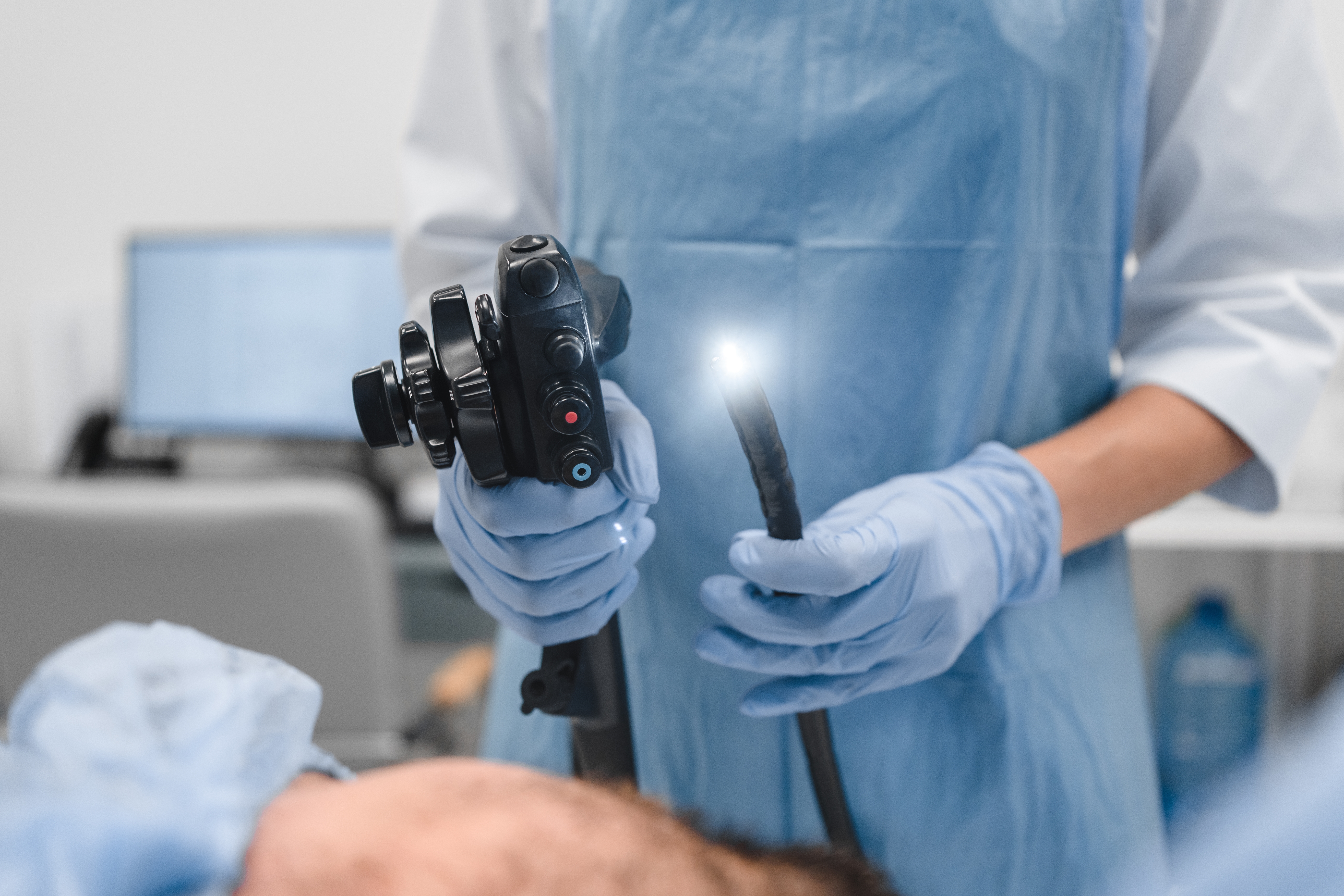
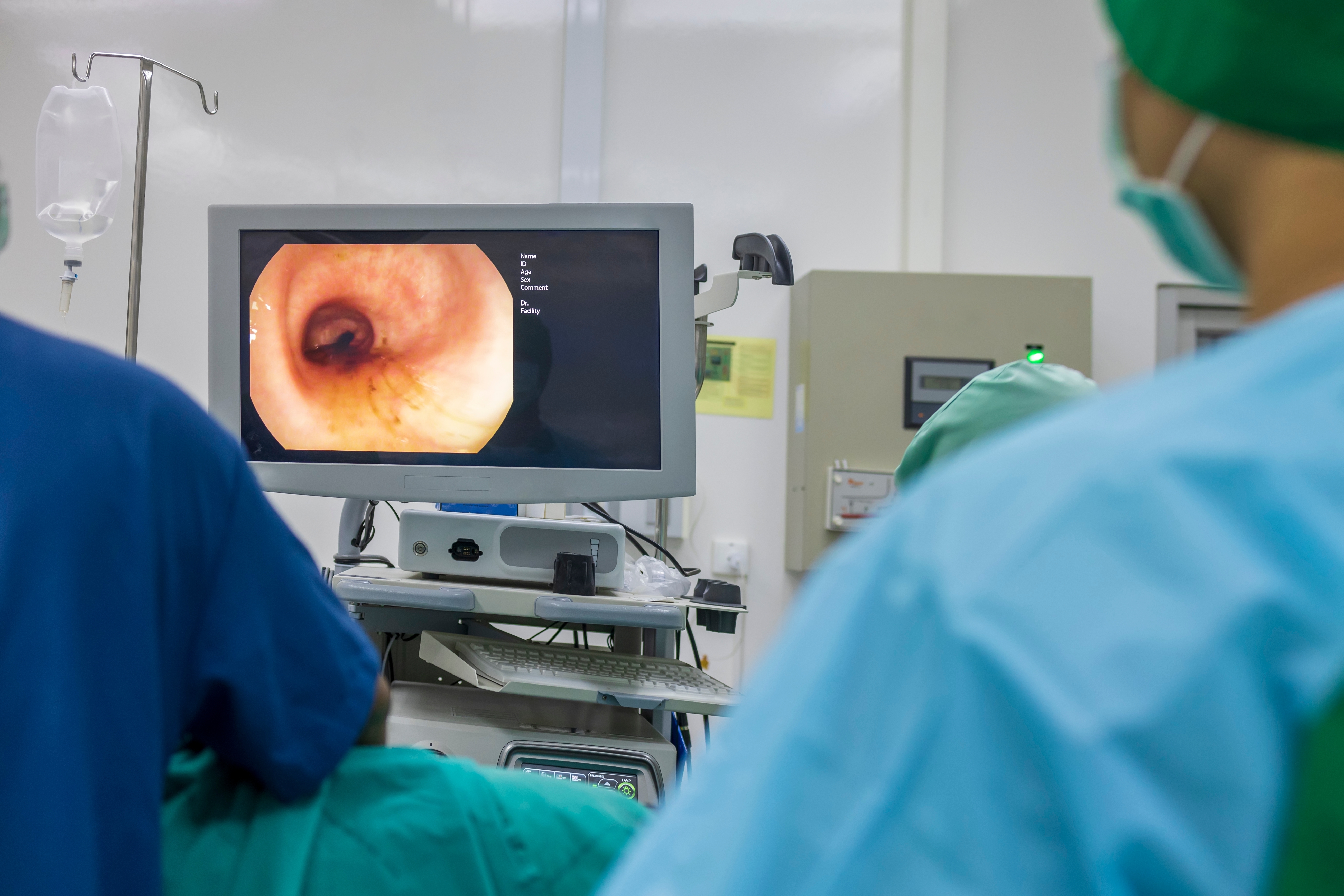
A colonoscopy is an endoscopic procedure in which a thin, flexible tube called a colonoscope, equipped with a camera and light, is inserted into the rectum to examine the colon. The procedure is usually performed under intravenous sedation to ensure comfort.
In Singapore, routine colonoscopy screening is generally recommended from the age of 50 for individuals at average risk. During the procedure, the doctor can detect abnormalities such as:
- Adenomatous polyps (precancerous growths)
- Areas of inflammation
- Sources of gastrointestinal bleeding
- Suspicious tumours or masses
If polyps are found, they can often be removed immediately in a procedure called a polypectomy and sent for laboratory analysis. This combination of detection and treatment makes colonoscopy a cornerstone of colorectal cancer prevention.
How Does a Colonoscopy Help Prevent Colorectal Cancer?
Colorectal cancer usually develops slowly over several years, often beginning as adenomatous polyps in the lining of the colon. A colonoscopy allows doctors to detect and remove these polyps before they develop into cancer, effectively interrupting the progression from polyp to malignancy.
The procedure also allows early-stage colorectal cancer to be identified. When detected while still localised, treatment tends to be more effective and outcomes more favourable. Prognosis, however, depends on factors including tumour stage, grade, and overall patient health.
Who Should Consider Colonoscopy Screening?
Health authorities in Singapore recommend colonoscopy screening from age 50, typically every 5 to 10 years for those at average risk. People with higher risk factors may need earlier or more frequent screening.
Risk factors include:
- Family history of colorectal cancer or polyps
- Inflammatory bowel disease, such as Crohn's disease or ulcerative colitis
- Personal history of colorectal polyps or growths
- Inherited genetic conditions, including Lynch syndrome or familial adenomatous polyposis (FAP)
What Symptoms May Require a Colonoscopy?
Beyond routine screening, colonoscopy may be advised to investigate persistent digestive symptoms. Common warning signs include:
- Rectal bleeding or blood in the stool
- Persistent changes in bowel habits, including ongoing diarrhoea or constipation
- Unexplained weight loss or reduced appetite
- Iron-deficiency anaemia without an obvious cause
- Chronic abdominal pain or cramping
Is Colonoscopy Safe?
Colonoscopy is considered a safe and routine procedure, widely recognised as the gold standard for examining the colon. Like all medical procedures, there are potential risks, which your doctor will explain beforehand.
Although uncommon, possible complications include:
- Bleeding, particularly after polyp removal
- Reactions to sedation
- Perforation of the colon wall
Doctors carefully weigh the risks and benefits before recommending the procedure. In most cases, the advantage of early detection and prevention of colon cancer far outweighs the small procedural risks.
What Happens During a Colonoscopy?
A colonoscopy is a straightforward procedure that helps your doctor check the health of your colon. Here's what typically happens:
- Bowel Preparation: The process begins with a clear liquid diet and prescribed laxatives the day before to ensure the colon is completely clean.
- Sedation: The medical team administers intravenous sedation and positions the patient comfortably.
- Insertion: The colonoscope is gently guided through the rectum into the colon.
- Examination: Carbon dioxide or air slightly inflates the colon to allow clear visualisation of the lining. The doctor inspects for polyps, inflammation or other abnormalities.
- Recovery: Patients rest in a recovery area as sedation wears off.
Taking the Next Step in Colorectal Health
A colonoscopy is not just a procedure — it is a proactive step towards understanding your digestive health and preventing colorectal cancer before it develops. At Kam Colorectal Centre led by Dr Kam Ming Hian, care is centred on helping patients feel informed, comfortable and supported at every stage. Take the first step for your colorectal health and arrange a consultation today to discuss the screening options that are right for you.
Meet Our Colorectal Specialist in Singapore
Dr Kam Ming Hian
Senior Consultant Colorectal Surgeon
MBBS (Singapore), M.Med (Surgery), FRCSEd, FAMS
Dr Kam Ming Hian is a Senior Consultant Colorectal Surgeon with more than two decades of clinical experience in the diagnosis and management of colorectal conditions, including colorectal cancer, polyps, haemorrhoids and other disorders affecting the colon and rectum. His practice focuses on providing thorough evaluation, evidence-based treatment and personalised care tailored to each patient's needs.
Dr Kam previously served as Director of Robotics and Minimally Invasive Surgery in the Department of Colorectal Surgery at Singapore General Hospital. He has a strong interest in minimally invasive colorectal procedures, including laparoscopic and robotic-assisted surgery, which aim to support safe and efficient recovery for patients.
In addition to performing colorectal surgery, Dr Kam has carried out thousands of endoscopic procedures such as colonoscopy and gastroscopy, supporting early detection and management of colorectal conditions.
![]()
20 Years of Colorectal Experience
![]()
Skilled in Minimally Invasive & Laparoscopic Techniques
![]()
Individualised & Cost Effective Treatment for Every Patient
![]()
Medisave and Insurance-Covered Treatment and Procedures

We are proud to provide patients with highly personalised and affordable colorectal treatments in Singapore. At Kam Colorectal Centre, we’ve got your colorectal health covered.
Call +65 6443 1005 or fill in the form below to book a detailed consultation with us.