
Colonoscopy in Singapore
Many colorectal conditions, including colorectal cancer, may develop silently before noticeable symptoms appear. Early detection through appropriate screening can significantly improve treatment outcomes and help prevent disease progression.
A colonoscopy is a commonly recommended investigation for colorectal cancer screening, bowel symptoms and the evaluation of individuals with higher risk factors. By identifying abnormalities at an early stage, it allows timely intervention and greater peace of mind.
What is a Colonoscopy?
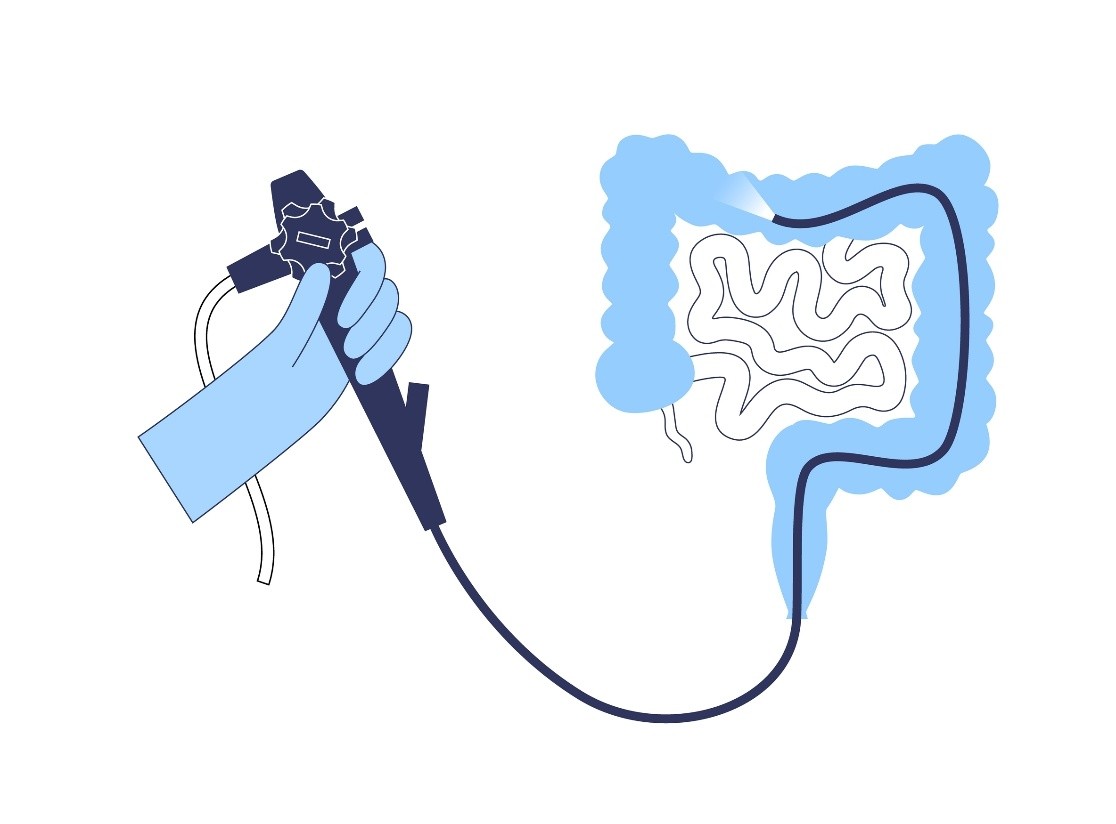
A colonoscopy is a procedure used to examine the lining of the large intestine, including the colon and rectum. It is commonly used to detect colorectal polyps, colorectal cancer and other conditions affecting the lower digestive tract.
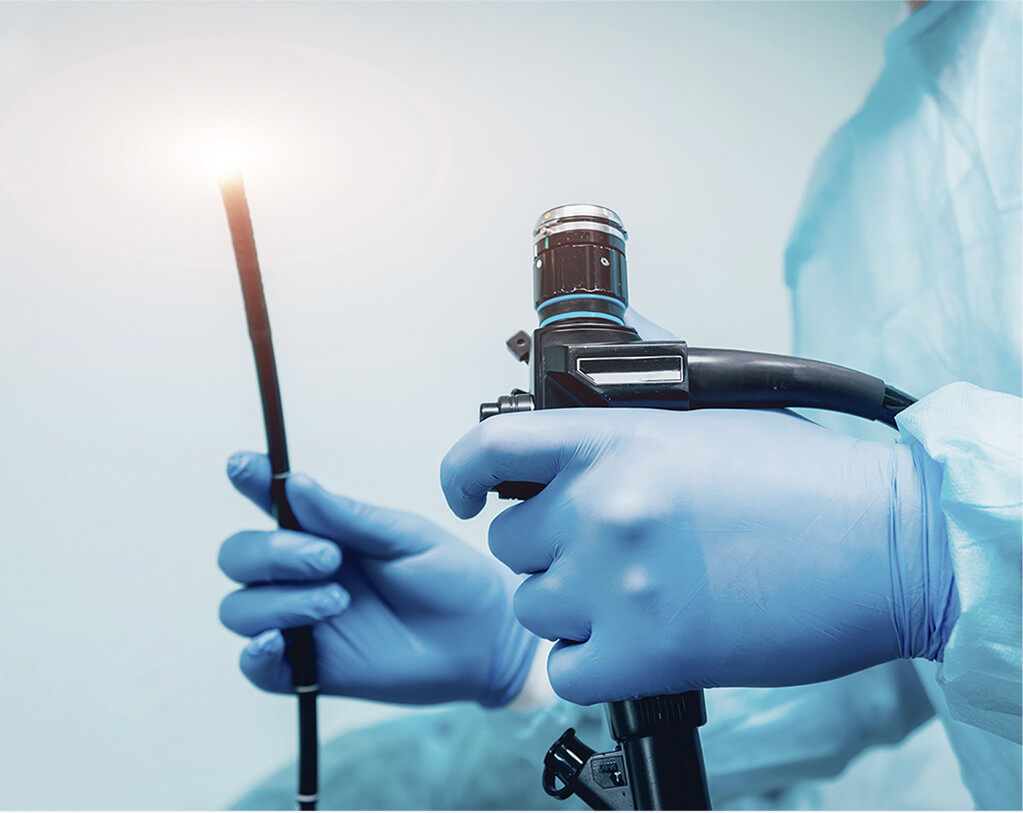
During the procedure, a flexible tube fitted with a high-definition camera, known as a colonoscope, is gently guided through the rectum and colon. This allows your colorectal surgeon to examine the intestinal lining in real time and identify any abnormalities.
One of the key benefits of a colonoscopy is that it can serve both diagnostic and therapeutic purposes. Polyps can often be removed during the same procedure, while suspicious areas can be sampled for laboratory testing without requiring a separate operation.
Who Should Get a Colonoscopy
A colonoscopy may be recommended for individuals who have an increased risk of colorectal cancer or other bowel conditions.
You may benefit from a screening colonoscopy if you:
- Are aged 50 and above
- Have a family history of colorectal cancer or colorectal polyps
- Have previously had colorectal polyps removed
- Have a personal history of colorectal cancer
- Have inflammatory bowel disease such as ulcerative colitis or Crohn's disease
- Have certain hereditary conditions that increase colorectal cancer risk
- Have previously received abnormal colorectal screening results
Even if you feel well, screening may still be recommended as early colorectal cancer and precancerous polyps often do not cause symptoms.
When is a Colonoscopy Recommended?
A colonoscopy may be performed for screening, diagnosis or ongoing surveillance.
-
Colorectal Cancer Screening
Routine screening helps identify polyps and early-stage colorectal cancer before symptoms develop. Individuals at average risk are generally advised to begin screening from age 50, while those with additional risk factors may require earlier or more frequent examinations.
-
Investigation of Digestive Symptoms
A colonoscopy may be recommended if you are experiencing persistent gastrointestinal symptoms that require further evaluation. The procedure allows direct examination of the bowel lining to identify possible causes.
-
Diagnosis and Treatment
Besides detecting abnormalities, colonoscopy can also be used to remove polyps, stop bleeding, obtain tissue samples for biopsy and assess narrowed areas within the colon.
-
Follow-Up After Previous Polyps or Colorectal Cancer
Individuals who have previously had colorectal polyps removed or undergone treatment for colorectal cancer may require periodic surveillance colonoscopies. The timing depends on the number, size and pathology of any previous findings.
Concerned About Your Colorectal Health?
A colonoscopy can help detect colorectal cancer, polyps and other bowel conditions before they progress.
Contact us at +65 6443 1005 to schedule a colonoscopy today.
Signs and Symptoms That May Require Colonoscopy
While colonoscopy is commonly used for screening, it is also an important investigation for symptoms affecting the digestive tract.
Your doctor may recommend a colonoscopy if you experience:
- Rectal bleeding
- Blood in the stool
- Persistent changes in bowel habits
- Chronic diarrhoea
- Ongoing constipation
- Unexplained abdominal pain or cramping
- Iron deficiency anaemia without a clear cause
- Unintentional weight loss
- A sensation of incomplete bowel emptying
These symptoms do not necessarily indicate colorectal cancer, but further evaluation may be required to determine the underlying cause.
How to Prepare for a Colonoscopy in Singapore
Proper preparation is essential to ensure a clear view of the colon and improve the accuracy of the examination.
Dietary Instructions
– You may be advised to follow a low-fibre diet for several days before the procedure and switch to clear fluids the day before your colonoscopy.Bowel Preparation
– A prescribed bowel cleansing solution or laxative is taken before the procedure to completely empty the colon. Thorough bowel preparation helps improve visibility and reduces the likelihood of needing a repeat examination.Medication Review
– Certain medications may need to be adjusted temporarily before the procedure. These can include blood thinners, diabetes medications and iron supplements. Your doctor will provide personalised instructions based on your medical history.
How Is a Colonoscopy Performed?
On the day of the procedure, you will be positioned comfortably on your side and given sedation to help you relax. Once you are comfortable, a colonoscope is gently inserted through the rectum and advanced through the colon. The camera transmits detailed images to a monitor, allowing the surgeon to examine the bowel lining carefully.
If polyps or abnormal tissue are detected, they may be removed or sampled during the same procedure. Most colonoscopies take approximately 20 to 30 minutes. Additional time may be required if therapeutic procedures are performed.
Following the examination, you may experience temporary bloating or mild abdominal discomfort due to air introduced during the procedure. These symptoms usually resolve within a short period.
What Can I Expect After a Colonoscopy Procedure?
After your colonoscopy, you will rest in a recovery area while the effects of sedation wear off. Most patients can return home on the same day, although you should avoid driving, operating machinery or making important decisions for the remainder of the day. You may resume eating once advised by your doctor, and mild bloating or cramping may occur temporarily. A follow-up consultation may be arranged to discuss the findings and review any biopsy results if tissue samples were taken.
What Are the Potential Risks of a Colonoscopy?
Colonoscopy is considered a safe procedure, particularly when performed by an experienced colorectal surgeon. However, as with any medical procedure, complications may occasionally occur.
Possible Risks Include:
Bleeding
- Minor bleeding can occur after biopsy or polyp removal. In most cases, it resolves on its own, although additional treatment may occasionally be required.Bowel Perforation
- A small tear in the wall of the colon is rare but may require surgical treatment.Reaction to Sedation
- Some individuals may experience temporary side effects related to sedation, such as nausea, dizziness or changes in blood pressure.Abdominal Discomfort
- Mild bloating, cramping or passing gas may occur after the procedure and usually settles within a few hours.Incomplete Examination
- In some situations, bowel preparation may not be adequate, making it difficult to visualise the entire colon. A repeat examination may be recommended.
Your surgeon will discuss any relevant risks with you before the procedure.
When Should You Get a Colonoscopy?
You should consider speaking with a colorectal surgeon about a colonoscopy if you:
- Are aged 50 or above and due for routine colorectal cancer screening
- Have a family history of colorectal cancer or colorectal polyps
- Previously had colorectal polyps removed and require follow-up surveillance
- Have a personal history of colorectal cancer
- Experience rectal bleeding or blood in your stool
- Notice persistent changes in bowel habits, including diarrhoea, constipation or narrower stools
- Have unexplained abdominal pain, bloating or discomfort
- Develop iron deficiency anaemia without an obvious cause
- Experience unexplained weight loss
- Have inflammatory bowel disease, such as ulcerative colitis or Crohn's disease
- Receive an abnormal stool test result, including a positive Faecal Immunochemical Test (FIT)
Early evaluation can help identify the cause of your symptoms and determine whether treatment or ongoing monitoring is required.
Stay proactive about your colorectal health.
Whether you are due for screening or experiencing bowel symptoms, Dr Kam Ming Hian can help determine the next steps.
Book a consultation today at 6443 1005.
Why Choose Our Colonoscopy Surgery Clinic in Singapore
Experienced Colorectal Surgeon
Dr Kam Ming Hian has over 20 years of experience managing colorectal conditions and performing colonoscopy procedures.
Comprehensive Diagnosis and Treatment
From colorectal cancer screening and polyp removal to the management of complex colorectal disorders, patients receive continuity of care throughout their treatment journey.
Minimally Invasive Expertise
As the former Director of Robotics & Minimally Invasive Surgery at Singapore General Hospital's Department of Colorectal Surgery, Dr Kam has extensive experience in advanced colorectal techniques.
Personalised Patient Care
Each patient receives an individualised assessment and management plan tailored to their symptoms, risk factors and healthcare needs.
Frequently Asked Questions (FAQs) About Colonoscopy
Take the next step towards better colorectal health.
Consult Dr Kam Ming Hian for personalised advice and appropriate screening recommendations.
Schedule a Consultation
Meet Our Colonoscopy Surgeon in Singapore
Dr. Kam Ming Hian
Dr Kam is a colorectal surgeon with over 20 years of experience treating colorectal conditions and performing diagnostic procedures such as colonoscopy and gastroscopy. As the former Director of Robotics & Minimally Invasive Surgery in the Department of Colorectal Surgery, SGH, Dr Kam has successfully treated many patients, and received multiple awards for service excellence during his career.
He is well-published in international journals and has also been invited to speak at various conferences. To date, colorectal surgeon, Dr Kam has performed thousands of gastroscopy and colonoscopy procedures, and conducted regular endoscopy training courses for the next generation of medical students.
![]()
20 Years of Colorectal Experience
![]()
Skilled in Minimally Invasive & Laparoscopic Techniques
![]()
Individualised & Cost Effective Treatment for Every Patient
![]()
Medisave and Insurance-Covered Treatment and Procedures

We are proud to provide patients with highly personalised and affordable colorectal treatments in Singapore. At Kam Colorectal Centre, we’ve got your colorectal health covered.
Call +65 6443 1005 or fill in the form below to book a detailed consultation with us.