

What Happens If a Colonoscopy Finds a Problem?
A colonoscopy is one of the most effective tools for detecting abnormalities in the colon and rectum, helping doctors identify potential health concerns before they become more serious. While many patients undergo the procedure as part of routine colorectal cancer screening, hearing that a colonoscopy has found a problem can understandably cause anxiety.
The good news is that not all abnormal findings are cause for concern. Many conditions detected during a colonoscopy—including polyps, inflammation and haemorrhoids—are common and often treatable. Understanding your results and seeking timely medical guidance from an experienced colonoscopy surgeon in Singapore can help ensure you receive the most appropriate care for your individual needs.
Understanding Your Colonoscopy Results
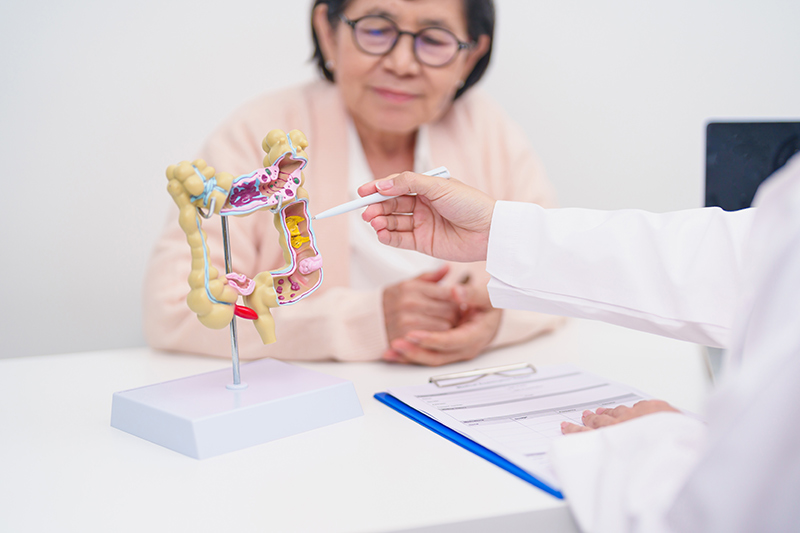
After your colonoscopy, your doctor will explain the findings and discuss whether any follow-up care is needed. While hearing that an abnormality was found can be concerning, many colonoscopy results are benign or easily managed.
Normal Results
If your colonoscopy did not reveal any abnormalities, your doctor will typically recommend when you should return for your next screening. The timing will depend on factors such as your age, personal medical history and family history of colorectal cancer.
Common Abnormal Findings
Colonoscopies may detect conditions such as polyps, inflammation, haemorrhoids, or diverticulosis. These findings are relatively common and often do not indicate a serious health problem. Depending on the findings, your colonoscopy surgeon may recommend monitoring, treatment or additional testing.
Follow-Up and Discussion With Your Doctor
Some results may require closer monitoring, additional care, or further evaluation. Your doctor will explain what was found, why it matters and what steps are recommended based on your individual results. Asking questions about your colonoscopy report can help reduce anxiety and ensure you understand your follow-up plan.
What Follow-Up Tests or Treatments Might Be Recommended?
The next steps after an abnormal colonoscopy depend on the specific findings. While some abnormalities require no further action beyond routine monitoring, others may call for additional testing or treatment to confirm a diagnosis and support long-term digestive health.
Additional Diagnostic Tests
In some cases, your doctor may recommend further testing to gather more information. This may include blood tests, stool tests, imaging scans, or other diagnostic procedures, depending on the nature of the finding.
Treatment for Underlying Conditions
If the colonoscopy identifies a specific condition, such as inflammatory bowel disease (IBD), diverticular disease, or an infection, treatment may involve medication, dietary modifications, or other targeted therapies.
Ongoing Monitoring and Follow-Up Screening
Certain findings, particularly polyps or precancerous changes, may require closer monitoring. Your doctor may recommend a follow-up colonoscopy at an earlier interval to ensure that any changes are detected and managed promptly.
How to Protect Your Colon Health Moving Forward
Whether your colonoscopy results were normal or revealed an abnormal finding, taking proactive steps to maintain healthy habits and following your doctor's recommendations are key to protecting your long-term colon health.
Stay Up to Date With Recommended Screenings
Regular colonoscopies and other colorectal cancer screenings play an important role in detecting potential issues early. Be sure to follow your doctor's guidance on when to schedule your next screening, especially if polyps or other abnormalities were found.
Adopt a Colon-Friendly Diet
A balanced diet rich in fruits, vegetables, whole grains and fibre can support healthy digestion and colon function. Limiting processed foods, red meat, and excessive alcohol consumption may also help lower the risk of colorectal disease.
Maintain a Healthy Lifestyle
Regular physical activity, maintaining a healthy weight and avoiding tobacco use can contribute to better digestive health and reduce the risk of colorectal cancer and other chronic conditions.
Pay Attention to New Symptoms
Do not ignore persistent symptoms such as rectal bleeding, unexplained weight loss, abdominal pain, or changes in bowel habits. Reporting these symptoms to your healthcare provider promptly can help ensure timely evaluation and treatment.
Follow Your Doctor's Care Plan
If your colonoscopy identified a condition that requires monitoring or treatment, adhering to your recommended care plan is essential. Attending follow-up appointments and taking prescribed medications as directed can help prevent complications and support better health outcomes.
Personalised Colonoscopy Care From Dr Kam Ming Hian
Learning that a colonoscopy has identified an abnormal finding can be concerning, but it is important to remember that many findings are benign, treatable, or can be effectively managed with appropriate follow-up care. Colonoscopies play a vital role in detecting potential issues early, allowing for timely intervention and improved health outcomes.
At Kam Colorectal Centre, our team is committed to helping patients understand their results and navigate the next steps with confidence. Whether you need further testing, treatment recommendations, or ongoing monitoring, our experienced colorectal specialist, Dr Kam Ming Hian is here to support you every step of the way.
Book an appointment and we will help you take proactive steps toward better colorectal health.
Frequently Asked Questions (FAQs) About Colonoscopy Diagnosis
How long does it take to receive biopsy results after a colonoscopy?
If a biopsy is taken during your colonoscopy, the tissue sample is sent to a laboratory for examination by a pathologist. Results are typically available within a few days to two weeks, depending on the complexity of the analysis and the laboratory's workload. Your doctor will contact you to explain the findings and discuss any recommended next steps.
Can colonoscopy results ever be inaccurate?
While colonoscopy is considered the gold standard for detecting abnormalities in the colon, no medical test is perfect. Factors such as bowel preparation quality, the size or location of a lesion and individual patient circumstances can affect the accuracy of the procedure. If symptoms persist despite normal findings, your doctor may recommend additional testing or further evaluation.
Should my family members be screened if an abnormality is found?
The answer depends on the type of abnormality identified. Certain findings, such as advanced polyps or colorectal cancer, may increase the risk for close family members and influence when they should begin screening. Your doctor can advise whether your results have implications for your relatives and recommend an appropriate screening schedule based on current guidelines.
Meet Our Colorectal Specialist in Singapore
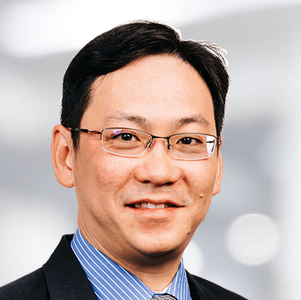
Dr Kam Ming Hian
Senior Consultant Colorectal Surgeon
MBBS (Singapore), M.Med (Surgery), FRCSEd, FAMS
Dr Kam Ming Hian is a Senior Consultant Colorectal Surgeon with more than two decades of clinical experience in the diagnosis and management of colorectal conditions, including colorectal cancer, polyps, haemorrhoids and other disorders affecting the colon and rectum. His practice focuses on providing thorough evaluation, evidence-based treatment and personalised care tailored to each patient's needs.
Dr Kam previously served as Director of Robotics and Minimally Invasive Surgery in the Department of Colorectal Surgery at Singapore General Hospital. He has a strong interest in minimally invasive colorectal procedures, including laparoscopic and robotic-assisted surgery, which aim to support safe and efficient recovery for patients.
In addition to performing colorectal surgery, Dr Kam has carried out thousands of endoscopic procedures such as colonoscopy and gastroscopy, supporting early detection and management of colorectal conditions.
![]()
20 Years of Colorectal Experience
![]()
Skilled in Minimally Invasive & Laparoscopic Techniques
![]()
Individualised & Cost Effective Treatment for Every Patient
![]()
Medisave and Insurance-Covered Treatment and Procedures

We are proud to provide patients with highly personalised and affordable colorectal treatments in Singapore. At Kam Colorectal Centre, we’ve got your colorectal health covered.
Call +65 6443 1005 or fill in the form below to book a detailed consultation with us.