

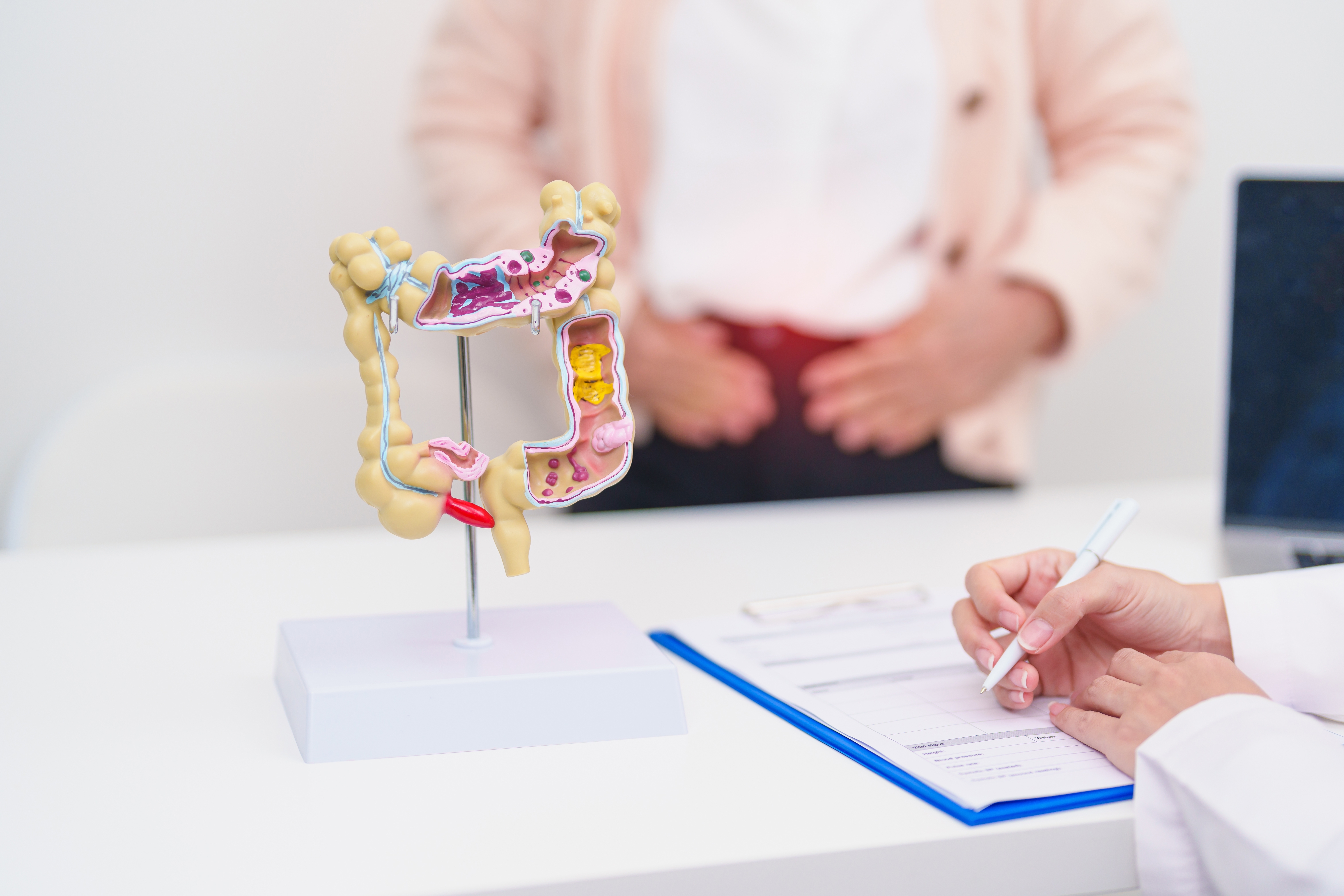
When Is Colorectal Surgery Necessary?
Colorectal conditions are commonly treated with medication, dietary changes or minimally invasive procedures, but these approaches do not always resolve the issue. In some cases, conditions such as haemorrhoids, colorectal polyps, diverticular disease and colorectal cancer may progress, recur or lead to complications that require surgical intervention.
Colorectal surgery is considered when symptoms remain persistent, when there is a risk of worsening disease or when conservative treatments are no longer effective. Recognising these situations can help guide timely medical decisions and ensure that appropriate care is not delayed.
When Conservative Treatment Is Not Enough
Many colorectal conditions can be managed effectively with non-surgical treatments. However, there are situations where symptoms persist or complications begin to develop, making surgical intervention the more appropriate next step.
A colorectal surgeon may recommend surgery when:
- Symptoms such as ongoing pain or bleeding do not improve despite treatment
- Investigations like imaging or endoscopy reveal structural concerns such as strictures (narrowing) or perforation
- Biopsy results confirm the presence of cancer
- Daily life is significantly affected by bowel-related symptoms
- There is a risk of serious complications, including infection or reduced blood supply to the bowel
Common Conditions That May Require Colorectal Surgery
The decision to proceed with surgery depends on both the severity of the condition and its potential to progress. Some conditions are more likely to require surgical treatment, particularly when they become advanced or recurrent.
Colorectal Cancer
One of the most common reasons for colorectal surgery is colorectal cancer. Surgical treatment focuses on removing the tumour along with nearby lymph nodes to reduce the risk of spread. In more advanced stages, surgery may also help relieve complications such as bowel obstruction or persistent bleeding, allowing for better symptom control and improved quality of life.
Severe or Complicated Haemorrhoids
Haemorrhoids, or piles, are common and often manageable with conservative care. However, when they become more severe — such as grade III or IV prolapse, significant pain or thrombosis — surgical procedures like haemorrhoidectomy or stapled haemorrhoidopexy may be recommended to provide lasting relief.
Diverticular Disease
Diverticular disease can often be treated without surgery, especially in mild cases. That said, repeated episodes of inflammation or complications such as abscesses, fistulas or perforation may make surgery necessary to remove the affected portion of the colon.
Inflammatory Bowel Disease (IBD)
Conditions such as ulcerative colitis and Crohn's disease are typically managed with medication. Surgery is usually considered when inflammation cannot be controlled, complications arise or there are early signs of cancerous change in the bowel lining.
Bowel Obstruction
A blocked bowel can develop due to adhesions (scar tissue), twisting of the intestine or growths within the colon. These situations often require urgent surgical treatment to restore normal bowel function and prevent further damage.
Anal Abscesses and Fistulas
Anal abscesses are infections that typically require drainage, as they rarely resolve on their own. In some cases, a fistula — a small abnormal tract — may form and require further surgical repair to reduce the risk of recurrence while preserving normal function.
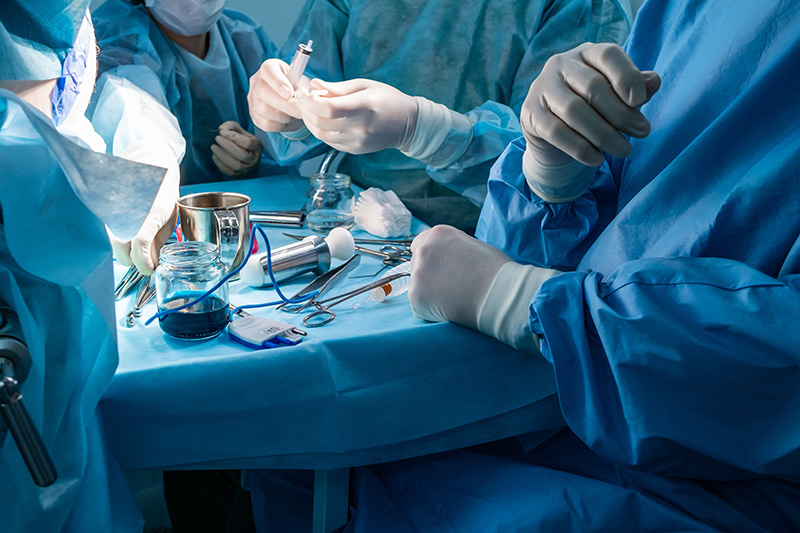
Can Colorectal Surgery Be Minimally Invasive?
It is a common concern that colorectal surgery involves large incisions and a lengthy recovery. In reality, many procedures today are performed using minimally invasive techniques such as laparoscopic or robotic-assisted surgery.
These approaches use smaller incisions and are associated with:
- Less post-operative discomfort
- Shorter hospital stays
- Faster recovery and return to daily activities
That said, some complex or advanced conditions may still require open surgery. The choice of technique depends on what is safest and most effective for your specific situation.
When Should You See a Colorectal Surgeon?
Knowing when to seek medical advice can make a meaningful difference. Early assessment allows for timely treatment and may reduce the likelihood of needing urgent or more extensive surgery.
You should consider seeing a colorectal surgeon if you notice:
- Persistent rectal bleeding or blood in your stool
- Ongoing changes in bowel habits, including constipation or diarrhoea
- Unexplained weight loss or fatigue
- Frequent abdominal discomfort, bloating or cramping
Taking the Next Step Towards Clarity and Colorectal Care
Colorectal symptoms can be easy to ignore, especially when they seem mild at the start. Yet paying attention to changes in your body and seeking advice early can help you avoid unnecessary complications and gain peace of mind.
At Kam Colorectal Centre, care is centred on helping you feel informed, comfortable and supported at every stage of your journey. If you have concerns about your colorectal health or have been experiencing ongoing symptoms, arrange a consultation with Colorectal Surgeon Dr Kam Ming Hian and begin your path towards clearer answers and greater peace of mind.
Meet Our Colorectal Specialist in Singapore
Dr Kam Ming Hian
Senior Consultant Colorectal Surgeon
MBBS (Singapore), M.Med (Surgery), FRCSEd, FAMS
Dr Kam Ming Hian is a Senior Consultant Colorectal Surgeon with more than two decades of clinical experience in the diagnosis and management of colorectal conditions, including colorectal cancer, polyps, haemorrhoids and other disorders affecting the colon and rectum. His practice focuses on providing thorough evaluation, evidence-based treatment and personalised care tailored to each patient's needs.
Dr Kam previously served as Director of Robotics and Minimally Invasive Surgery in the Department of Colorectal Surgery at Singapore General Hospital. He has a strong interest in minimally invasive colorectal procedures, including laparoscopic and robotic-assisted surgery, which aim to support safe and efficient recovery for patients.
In addition to performing colorectal surgery, Dr Kam has carried out thousands of endoscopic procedures such as colonoscopy and gastroscopy, supporting early detection and management of colorectal conditions.
![]()
20 Years of Colorectal Experience
![]()
Skilled in Minimally Invasive & Laparoscopic Techniques
![]()
Individualised & Cost Effective Treatment for Every Patient
![]()
Medisave and Insurance-Covered Treatment and Procedures

We are proud to provide patients with highly personalised and affordable colorectal treatments in Singapore. At Kam Colorectal Centre, we’ve got your colorectal health covered.
Call +65 6443 1005 or fill in the form below to book a detailed consultation with us.