

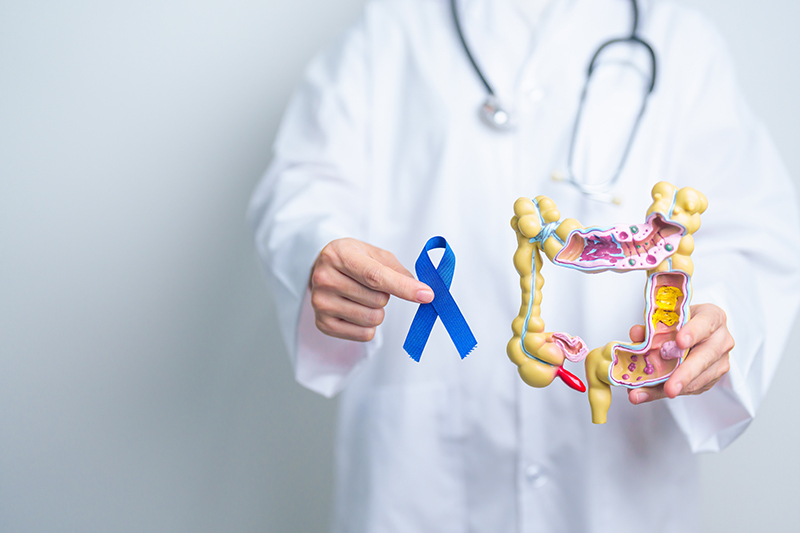
When Should You Begin Routine Colorectal Cancer Screening?
Colorectal cancer is one of the most common cancers worldwide and remains a significant health concern in many countries. When diagnosed in its later stages, the disease can be more difficult to treat, with a significantly lower survival rate.
However, outcomes can be greatly improved if colorectal cancer is detected early. Routine colorectal cancer screening is considered an important preventive health measure that can help specialists begin treatment early, improving long-term survival rates for patients.
Understanding when to begin screening can help individuals take proactive steps to reduce their risk and improve their chances of successful treatment if cancer is detected.
Why Colorectal Cancer Screening Is Important
Colorectal cancer often develops gradually over time. In many cases, there are no noticeable symptoms in the early stages, which allows the disease to progress without immediate warning signs. As a result, abnormal changes in the colon or rectum may go undetected for long periods, giving the cancer the opportunity to worsen.
Screening helps detect colorectal cancer at an earlier stage, when treatment may be less invasive and more effective. When cancer is identified early, patients typically have more treatment options and improved long-term outcomes.
Many colorectal cancers begin as small growths called polyps that form on the inner lining of the colon or rectum. These polyps are usually benign at first, but certain types may gradually develop into cancer over time. During screening procedures such as colonoscopy, doctors can identify and remove these polyps before they become malignant, which helps reduce the risk of colorectal cancer developing.
For these reasons, routine colorectal cancer screening is considered one of the most effective strategies for reducing both the incidence and mortality of colorectal cancer.
Who Should Consider Colorectal Cancer Screening?
Colorectal cancer screening is recommended for individuals based on their age, personal health history and overall risk of developing the disease.
Adults Aged 50 and Above
Individuals at average risk are generally advised to begin routine colorectal cancer screening from around the age of 50. This recommendation is based on evidence showing that the likelihood of developing colorectal cancer increases with age.
Screening may be performed at regular intervals depending on the type of test used and the results of previous screenings. Adults who remain in good health may continue screening according to their doctor's recommendations.
Individuals With Higher Risk Factors
Some individuals have a higher risk of developing colorectal cancer and may be advised to begin screening earlier or undergo screening more frequently. This may include people who have:
- A family history of colorectal cancer or colorectal polyps
- A personal history of inflammatory bowel disease, such as ulcerative colitis or Crohn's disease
- Certain inherited genetic conditions, including Lynch syndrome or familial adenomatous polyposis
- Lifestyle risk factors such as smoking, obesity or a diet high in processed or red meat
For these individuals, doctors may recommend a personalised screening plan based on their level of risk.
Individuals Experiencing Concerning Symptoms
Colorectal cancer screening is typically intended for people who do not yet have symptoms. However, individuals who notice certain symptoms should seek medical evaluation promptly rather than waiting for routine screening.
Symptoms that may require further investigation include:
- Blood in the stool
- Persistent changes in bowel habits, such as diarrhoea or constipation
- Unexplained weight loss
- Abdominal pain or ongoing discomfort
- Fatigue or iron deficiency anaemia
If these symptoms are present, a doctor may recommend diagnostic testing to determine the cause and assess whether further treatment is required. Colon screening tests may be part of this diagnostic exercise.
What Are the Common Types of Colorectal Cancer Screening Tests?
Several screening methods are available to detect colorectal cancer or identify precancerous changes in the colon and rectum.
Colonoscopy
Colonoscopy is widely regarded as the most comprehensive and definitive method for colorectal cancer screening. During this procedure, a flexible tube with a small camera is inserted through the rectum to examine the entire colon.
This allows doctors to directly visualise the inner lining of the colon and identify abnormalities such as polyps, inflammation or early signs of cancer. If polyps are found, they can often be removed during the same procedure, which helps reduce the risk of these growths developing into colorectal cancer.
Because colonoscopy allows both detection and removal of polyps in a single procedure, it is considered one of the most effective screening tools for colorectal cancer.
Faecal Immunochemical Test (FIT)
The Faecal Immunochemical Test (FIT) is a non-invasive stool-based screening test used to detect small amounts of blood in the stool that may not be visible to the naked eye. If blood is detected, further evaluation, such as a colonoscopy, may be recommended to identify the source.
CT Colonography
CT colonography, sometimes referred to as virtual colonoscopy, uses specialised CT imaging to produce detailed images of the colon and rectum.
The procedure allows doctors to detect polyps or abnormal growths without inserting a scope through the entire colon. However, if abnormalities are identified during the scan, a traditional colonoscopy may still be required to confirm the findings or remove polyps.
CT colonography may be recommended for certain patients who are unable to undergo a standard colonoscopy.
Flexible Sigmoidoscopy
Flexible sigmoidoscopy is a procedure used to examine the lower portion of the colon, including the rectum and sigmoid colon.
A thin flexible tube with a camera is inserted into the rectum to allow doctors to inspect this part of the colon for polyps, inflammation or other abnormalities.
Because the procedure only evaluates the lower section of the colon, it may not detect abnormalities that occur further up the colon. For this reason, it is sometimes combined with other screening tests to provide a more complete assessment.
How Often Should You Get Screened?
For individuals at average risk, a colonoscopy is commonly recommended once every 10 years. This interval is considered appropriate because most colorectal cancers develop slowly over time, often beginning as polyps that take several years to grow and potentially become cancerous.
However, individuals with higher risk factors may require screening at shorter intervals. This category includes those who have a family history of colorectal cancer, a personal history of colorectal polyps, inflammatory bowel disease or certain inherited genetic conditions. In these situations, doctors may recommend starting screening at a younger age and repeating colonoscopy more frequently, sometimes every 3–5 years, depending on the level of risk.
Shorter screening intervals may also be advised if polyps are detected during a previous colonoscopy. Follow-up procedures allow doctors to monitor the colon more closely and remove any new growths before they develop into cancer.
Screening schedules can vary based on individual circumstances, making it important to consult a doctor who can recommend an appropriate screening plan tailored to each person's risk profile.

Early Detection with Colorectal Specialist, Dr Kam Ming Hian
Routine colorectal cancer screening plays an important role in detecting early changes in the colon and rectum before they progress into more serious disease. When guided by a qualified colorectal specialist, these timely assessments allow potential problems to be detected and managed earlier. Early diagnosis and treatment can make a huge difference in resolving colorectal cancer, increasing survival rates and leading to improved patient outcomes.
At Kam Colorectal Centre, screening and colorectal care is led by Senior Consultant Colorectal Surgeon Dr Kam Ming Hian, who provides personalised assessment and recommendations based on each patient's risk profile and medical history. Dr Kam has extensive experience in colorectal surgery and specialises in the diagnosis, screening and management of conditions affecting the colon and rectum.
Contact us today to book an appointment and discuss the most appropriate screening plan for you.
Meet Our Colorectal Specialist in Singapore
Dr Kam Ming Hian
Senior Consultant Colorectal Surgeon
MBBS (Singapore), M.Med (Surgery), FRCSEd, FAMS
Dr Kam Ming Hian is a Senior Consultant Colorectal Surgeon with more than two decades of clinical experience in the diagnosis and management of colorectal conditions, including colorectal cancer, polyps, haemorrhoids and other disorders affecting the colon and rectum. His practice focuses on providing thorough evaluation, evidence-based treatment and personalised care tailored to each patient's needs.
Dr Kam previously served as Director of Robotics and Minimally Invasive Surgery in the Department of Colorectal Surgery at Singapore General Hospital. He has a strong interest in minimally invasive colorectal procedures, including laparoscopic and robotic-assisted surgery, which aim to support safe and efficient recovery for patients.
In addition to performing colorectal surgery, Dr Kam has carried out thousands of endoscopic procedures such as colonoscopy and gastroscopy, supporting early detection and management of colorectal conditions.
![]()
20 Years of Colorectal Experience
![]()
Skilled in Minimally Invasive & Laparoscopic Techniques
![]()
Individualised & Cost Effective Treatment for Every Patient
![]()
Medisave and Insurance-Covered Treatment and Procedures

We are proud to provide patients with highly personalised and affordable colorectal treatments in Singapore. At Kam Colorectal Centre, we’ve got your colorectal health covered.
Call +65 6443 1005 or fill in the form below to book a detailed consultation with us.