

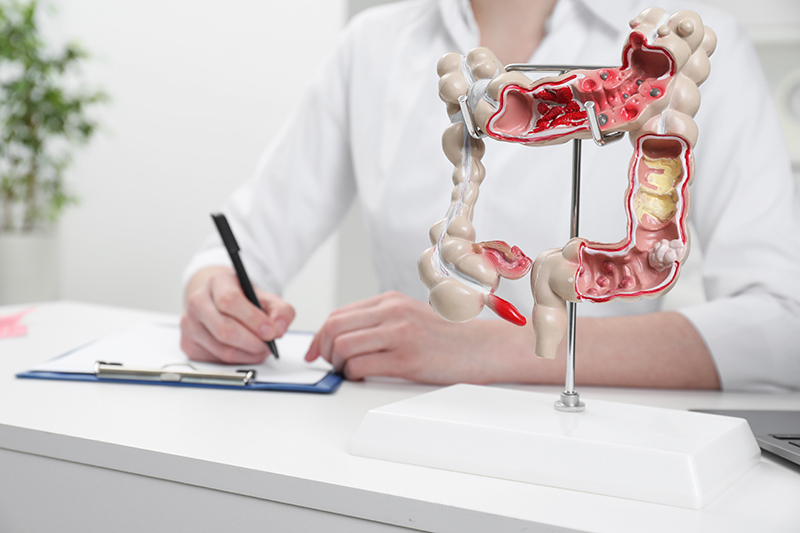
What Conditions Does a Colorectal Surgeon Treat?
Changes in your bowel habits or symptoms such as blood in the stool, pain during bowel movements or swelling around the anus can be unsettling, especially when you are unsure what is causing them. While some symptoms may be linked to common conditions such as piles or anal fissures, others may need further investigation to rule out problems affecting the colon, rectum or anus.
This is where a colorectal surgeon can help. These specialists assess and treat a wide range of colorectal conditions, and seeing one does not necessarily mean you will need surgery. Depending on your symptoms and diagnosis, care may involve further tests, medication, lifestyle measures, clinic-based procedures or surgery when appropriate. Understanding what a colorectal surgeon treats can help you know what to expect when seeking specialist assessment.
Colorectal Conditions and Their Symptoms
Colorectal surgeons assess a range of conditions affecting the colon, rectum and anus. Some primarily cause bowel symptoms, while others may be found during screening or investigations performed for another reason.
Colon Cancer
Colon cancer develops in the large intestine and may not cause noticeable symptoms in its early stages. Possible signs include blood in the stool, persistent changes in bowel habits, abdominal discomfort, unexplained weight loss and fatigue. A colorectal surgeon may be involved in the diagnostic and staging process and in surgical treatment when appropriate, while care may also involve other specialists.
Colon Polyps
Colon polyps are growths that form on the inner lining of the colon or rectum. Most do not produce symptoms and are found during a colonoscopy, although some may cause bleeding or changes in bowel habits. While many polyps are benign, certain types can develop into cancer over time. A colorectal surgeon can assess polyps and determine whether removal, surveillance or further treatment may be appropriate.
Piles (Haemorrhoids)
Piles (Haemorrhoids) develop when haemorrhoidal tissue in or around the anal canal becomes enlarged or swollen. They may cause bright-red bleeding, itching, discomfort, a lump near the anus or tissue that protrudes during a bowel movement. As rectal bleeding can have causes other than piles, an assessment may be needed to confirm the diagnosis before suitable treatment is recommended.
Anal Fissures
An anal fissure is a small tear in the lining of the anal canal. It commonly causes sharp pain during or after a bowel movement and may leave a small amount of bright-red blood on toilet paper or the stool. Assessment can help distinguish an anal fissure from other causes of anal pain and bleeding, particularly when symptoms persist or recur.
Anal Fistulas
An anal fistula is an abnormal passage between the anal canal and the skin near the anus, often developing after an anal abscess. Symptoms can include recurring pain, swelling, skin irritation or persistent discharge from an opening near the anus. Specialist assessment can help determine the fistula’s path and guide treatment while considering the potential effect on bowel control.
Perianal Abscess
A perianal abscess is a collection of pus caused by an infection near the anus or rectum. It may cause constant or worsening pain, redness, swelling, fever or a tender lump. Because a perianal abscess may require drainage and can sometimes lead to an anal fistula, suspected cases should be assessed promptly.
Diverticular Disease
Diverticulosis occurs when small pouches, known as diverticula, form in the wall of the colon. When these pouches cause symptoms, bleeding, inflammation or other complications, this may be referred to as diverticular disease. Colorectal assessment may be appropriate for recurrent or complicated diverticular disease, particularly when it is associated with an abscess, narrowing, fistula, perforation or significant bleeding.
How Are Colorectal Conditions Diagnosed?
Diagnosis usually begins with a discussion of the patient’s symptoms, bowel habits, medical history and family history. The colorectal surgeon may then examine the abdomen and perform an examination of the anal and rectal area when appropriate.
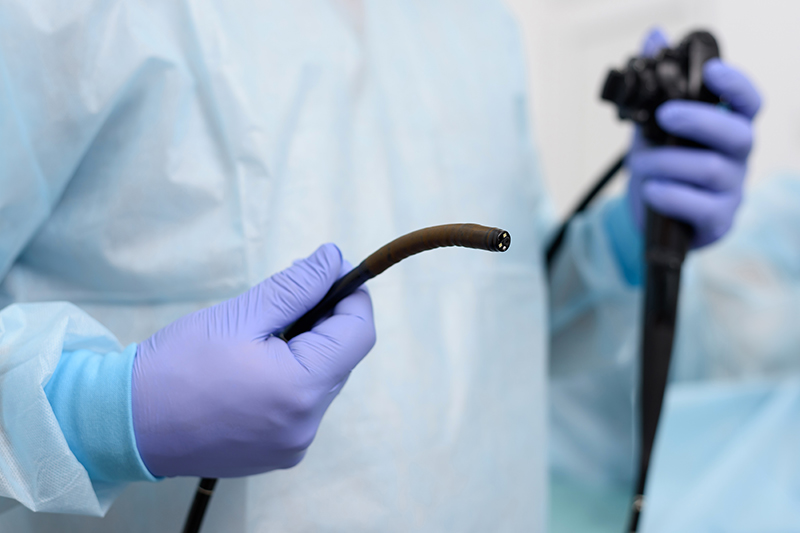
Depending on the symptoms and initial findings, further investigations may include anoscopy, proctoscopy, colonoscopy, blood tests, stool tests or imaging such as a CT or MRI scan. Not every patient requires every test. The investigations selected depend on the suspected condition and help guide further management.
How Does a Colorectal Surgeon Treat These Conditions?
Treatment is tailored to the condition, its severity, the patient’s symptoms and overall health. Options can range from conservative management and clinic-based procedures to surgery when appropriate.
Medication and Conservative Management
Milder conditions may improve with dietary changes, measures to support regular bowel movements, medication or monitoring. For example, treatment may focus on making stools easier to pass, reducing inflammation or relieving symptoms. The recommended approach depends on the condition, how long symptoms have been present and whether previous treatment has helped.
Clinic-Based and Endoscopic Procedures
Some colorectal conditions can be treated without major surgery. Options may include clinic-based procedures for piles or endoscopic removal of suitable colon polyps during a colonoscopy. The recommended procedure depends on factors such as the type, location and severity of the condition.
Colorectal Surgery
Colorectal surgery may be recommended for conditions such as colorectal cancer, complex polyps, anal fistulas, perianal abscesses or complicated diverticular disease. The type and extent of the procedure vary considerably depending on the condition. For operations involving the colon or rectum, surgery may be performed using open, laparoscopic or robotic techniques. The surgeon will discuss the possible benefits, risks and expected recovery before recommending a procedure.
Follow-Up and Preventive Care
Follow-up may be needed to monitor recovery, check whether symptoms have returned or identify new problems. Patients who have had colon polyps or colon cancer may also require surveillance colonoscopies based on their previous findings and individual risk.
Comprehensive Colorectal Care With Dr Kam Ming Hian
Persistent or recurring bowel and anal symptoms may warrant further assessment, particularly when their cause is unclear or initial treatment has not helped. A colorectal consultation can help identify the underlying condition and determine whether conservative care, a clinic-based procedure or surgery may be appropriate.
At Kam Colorectal Centre in Singapore, colorectal care is provided under the care of Dr Kam Ming Hian, who assesses and treats a range of conditions affecting the colon, rectum and anus. If you have ongoing colorectal symptoms or would like further assessment, arrange a consultation to better understand your condition and the treatment options that may be appropriate for you.
Frequently Asked Questions (FAQs) About Seeing a Colorectal Surgeon
How should I prepare for a colorectal consultation? +
Bring relevant medical reports, a current medication list and details of when your symptoms began. Note any changes in bowel habits and inform the surgeon about previous colorectal conditions or relevant family history.
Which colorectal symptoms require urgent medical attention? +
Urgent medical assessment may be needed for heavy or persistent rectal bleeding, black stools, severe abdominal or anal pain, repeated vomiting or fever with painful anal swelling. Inability to pass stool or gas together with increasing abdominal swelling also warrants prompt medical attention.
What happens during the first colorectal consultation? +
The colorectal surgeon will review your symptoms, bowel habits, medical history, medications and family history. A physical examination may be performed, with further tests arranged when needed to clarify the diagnosis and guide treatment.
Can a colorectal surgeon perform a colonoscopy? +
A colorectal surgeon may perform a colonoscopy to examine the colon and rectum, investigate symptoms, detect polyps or tumours and collect tissue samples. Some polyps can also be removed during the same procedure when clinically appropriate.
Meet Our Colorectal Specialist in Singapore
Dr Kam Ming Hian
Senior Consultant Colorectal Surgeon
MBBS (Singapore), M.Med (Surgery), FRCSEd, FAMS
Dr Kam Ming Hian is a senior consultant colorectal surgeon with more than 20 years of clinical experience. Formerly Director of Robotics and Minimally Invasive Surgery at Singapore General Hospital, he has experience in laparoscopic and robotic-assisted colorectal surgery. He has also performed thousands of endoscopic procedures, including colonoscopy and gastroscopy.
![]()
20 Years of Colorectal Experience
![]()
Skilled in Minimally Invasive & Laparoscopic Techniques
![]()
Individualised & Cost Effective Treatment for Every Patient
![]()
Medisave and Insurance-Covered Treatment and Procedures

We are proud to provide patients with highly personalised and affordable colorectal treatments in Singapore. At Kam Colorectal Centre, we’ve got your colorectal health covered.
Call +65 6443 1005 or fill in the form below to book a detailed consultation with us.